

History of Elderberry
Ancient Roots in Healing
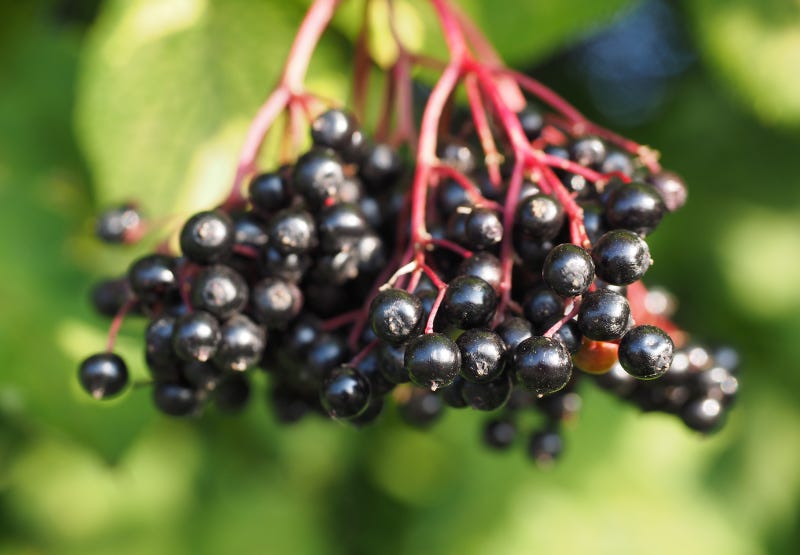
Elderberry, commonly known as black elder and scientifically referred to as Sambucus nigra, has long been revered for its medicinal properties. Often referred to as the “tree of healing and prosperity,” its flowers, berries, and inner bark were commonly used in remedies passed down through generations.
The Anglo-Saxon name aeld, meaning “to kindle,” derives from its hollow stems, which were used in ancient times to safely blow on kindling while starting fires. Beyond this practical use, elderberry was valued for medicinal purposes and even as a source of natural beauty care. Over time, both European cultures and Native Americans developed unique ways to incorporate elderberry into treatments for various ailments.
Modern research validates elderberry’s rich history by confirming its immune-boosting properties, vitamin C content, and antioxidants, all of which contribute to its healing effects. Elderberries are celebrated for their ability to fight inflammation, improve cardiovascular health, and reduce the risk of chronic illnesses like diabetes and certain types of heart disease.
Traditional Uses
Elderberry has a rich history in traditional medicine. Here are some of its most notable therapeutic applications:
Immune Support: Elderberries were historically prepared into teas, tonics, and elixirs to fight colds, flu, and respiratory infections. European cultures prized elderflower tea particularly for inducing a cleansing sweat to reduce fevers. Similarly, Native Americans relied on elderflower infusions for their fever-reducing properties.
Skin Health: In ancient European culture, washing one’s face with elderflower dew was a common beauty ritual thought to enhance skin health. Elderberry salves were also used by Native Americans to treat burns, sores, and eczema.
Digestive and Detox Support: The inner bark of the elder tree was used as a diuretic and laxative, helping to cleanse the body. Native Americans also consumed elderflower for its detoxifying effects and used it in tonics to promote gut health.
Anti-Inflammatory Properties: Elderberry was traditionally used to relieve symptoms of inflammation, including those associated with neuralgia, rheumatism, and joint aches. Modern research corroborates these effects, linking elderberries to lower inflammation levels throughout the body.
Insect Repellent: Beyond medical uses, dried elder leaves were often scattered around homes by Indigenous people to repel insects—an innovative way to ensure household health and cleanliness.
Elderberries were also incorporated into culinary traditions, being made into wines, pies, jellies, and syrups, allowing people to reap their benefits in a more palatable form.
Appearance and Growth
Botanical Description
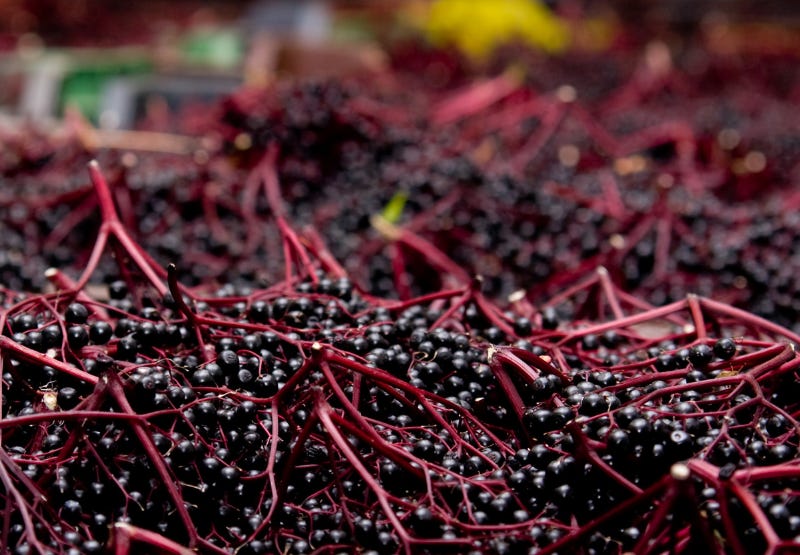
Elderberries are small, dark purple fruits that grow on a tree or shrub. The plant can be identified by the following characteristics:
Flowers: White to light-yellow blooms that appear in June and July.
Berries: Small, glossy, dark purple fruits that ripen in early autumn (September and October).
Leaves: Green, feather-like leaves that provide cover for the flowers a
Natural Habitat
Elderberry thrives in temperate regions of Europe, North America, and Asia, preferring moist, well-drained soil and sunny locations. Two primary species are commonly known:
European Elderberry (Sambucus nigra)
American Elderberry (Sambucus canadensis)
The elder tree thrives in hedgerows, woodlands, and sunny fields, often signaling its presence with its clusters of flowers and vibrant berries.
Schedule Your Free Discovery Call Today 📞
Curious to learn more about elderberry and how it can improve your health? Book a FREE discovery video meeting today!
Clinical Applications of Elderberry
Beneficial Chemical Constituents
Elderberry is rich in a variety of beneficial chemical constituents, including vitamin C, dietary fiber, and antioxidants such as phenolic acids, flavonols, and anthocyanins. These compounds act synergistically to protect the body from the harmful effects of free radicals, which can lead to cellular damage known as oxidative stress. Antioxidants are key to reducing oxidative stress, which is believed to play a role in the development of several chronic conditions, including:
High blood pressure
High cholesterol
Obesity
Metabolic syndrome
Diabetes
Anemia
Certain cancers
Medicinal Properties and Uses
Elderberry is renowned for its ability to boost immune health and assist in treatment and recovery from the common cold and influenza. Scientific research, including multiple in vitro and in vivo studies, has validated its diverse medicinal benefits. Its antioxidant and nutrient profile makes Elderberry a powerful addition to daily wellness routines, helping to manage overall health and reduce the risk of chronic illness.
Clinical Studies
Recovery from Influenza & Other Respiratory Illnesses
Elderberries have traditionally been used for centuries as a supportive aid against influenza and the common cold. They have repeatedly shown to display antibacterial and antiviral effects in in vitro studies. One study published in the 2016 Nutrients Journal written by Evelin Tiralongo et al and entitled, “Elderberry Supplementation Reduces Cold Duration and Symptoms in Air-Travellers: A Randomized, Double-Blind Placebo-Controlled Clinical Trial,” aimed to investigate if Elderberry extract had beneficial effects on respiratory and mental health of 312 economy class passengers travelling from Australia to an overseas destination. They had the participants complete surveys 10 days before traveling, 2 days before traveling, and 4-5 days after reaching their destintaion. The results found that Elderberry was able to decrease the symptom load and reduce their cold duration by approximately 2-3 days.

Influenza A and B Study in Panama and Norway
Influezna is a common viral infection that can potentially pose severe to fatal risks to high-risk populations. In a 2004 study entitled “Randomized Study of the Efficacy and Safety of Oral Elderberry Extract in the Treatment of Influenza A and B Virus Infections,” written by Z Zakay-Rones et al and published in The Journal of international medical research, they analyzed the effectiveness Elderberry had in treating influenza A symptoms. They compared their study to a prior placebo-controlled, double-blind clinical study done in Panama. The prior elderberry study done in Panama showed a complete cure of influenza B achieved within 2 – 3 days in nearly 90% of the elderberry-treated group. All in all, elderberry extract proved to offer an efficient, safe, and cost-effective addition to the present arsenol of medications available for both influenza A and B.
Streptococcus, Influenza, and Upper Respiratory Infections
It’s well known that Elderberry is a supportive agaent for the common cold and influenza due to its antiviral and antibacterial effects. In a 2011 study published in BMC Complementary Medicine and Therapies journal written by Christian Krawitz et al and entitled, “Inhibitory activity of a standardized elderberry liquid extract against clinically-relevant human respiratory bacterial pathogens and influenza A and B viruses,” they analyzed the potential antimicrobial activity of Elderberry syrup against several human bacterial and viral pathogens known to cause infections of the upper respiratory tract. The results indicated that Elderberry syrup was responsive towards 3 different bacteria strains of Streptococcus, a strain of bacterium (Branhamella catarrhalis), as well as influenza infections. This is the first time Elderberry syrup showed possession of antimicrobial activity.
Elderberry, Cytokines, & COVID-19
Many people showed interest in the use of Elderberry supplements at the start of the COVID-19 pandemic to assist in treatment or prevention. However, there was growing concern on Elderberries potentionally overstimulating the immune system during COVID-19 infections. Elderberries contain anthocyanins, a type of flavonoid that produces immunomodulating and potentially anti-inflammatory effects. In addition, some evidence has shown an increase in inflammatory cytokines, while others also suggest a decrease in cytokines. It should also be noted that in some cases of COVID-19 infections, proinflammatory cytokines were overproduced, resulting in ‘cytokine storms'(when the cytokines begin to attack the cells and tissues of the body). This led to the increased risk of multiorgan failure and death in these cases.
Elderberry & Treatment of Viral Respiratory Infections
In a recent 2021 research article entitled, “Elderberry for prevention and treatment of viral respiratory illnesses: a systematic review,” written by Susan Wieland et al and published in the BMC Complementary Medicine and Therapies journal, they conducted a systematic review to determine the benefits and potential harms of elderberry for the prevention and treatment of viral respiratory infections. In addition, the review assessed the relationship between elderberry supplements and negative health impacts associated with overproduction of pro-inflammatory cytokines. They screened 1,187 different records and included five randomized trials on elderberry for the treatment or prevention of viral respiratory illness. Elderberry proved to have favorable effects on reducing the severity and duration of influenza and the common cold. Overall, they did not find any association with severe adverse effects, such as overstimulation of the immune system, upon ingestion.
Additional Health Benefits of Elderberry
High Cholesterol
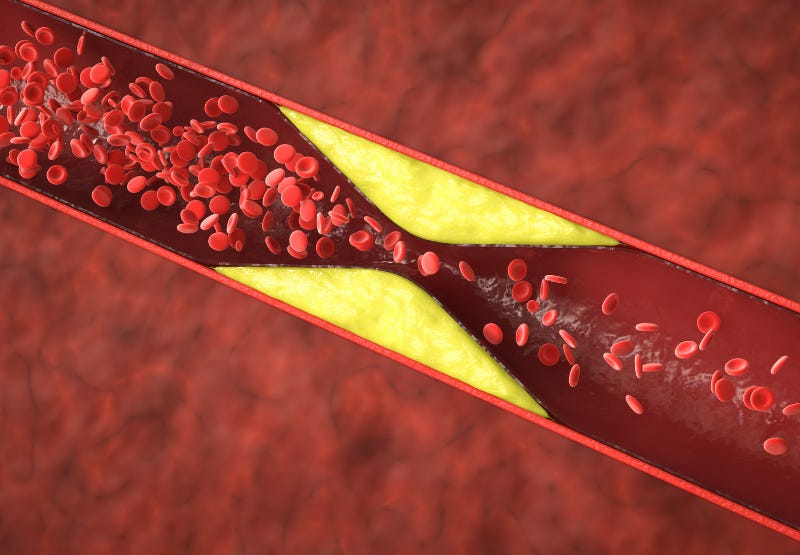
The versatile herb, Elderberry, has long been revered for its medicinal purposes. However, new medicinal purposes for it are now beginning to be explored – such as reducing levels of harmful LDL cholesterol in our blood. A 2004 study published in European journal of clinical nutrition entitled, “Effects of elderberry juice on fasting and postprandial serum lipids and low-density lipoprotein oxidation in healthy volunteers: a randomized, double-blind, placebo-controlled study,” written by M Murkovic et al aimed to verify the results of a previous pilot study involving Elderberry and cholesterol levels. The results showed that even small doses, such as 5 ml of elderberry juice, may reduce blood cholesterol levels.
Hyperuricemia, Cardiovascular Disease, and Hypertension
Elevated levels of uric acid has been linked to an increase in blood pressure as well as overall negative cardiovascular effects. The 2014 study published in Journal of Functional Foods entitled, “Advanced research on the antioxidant and health benefit of elderberry (Sambucus nigra) in food – a review,” written by Andrzej Sidor and Anna Gramza-Michałowska, analyzed the overall antioxident effects of elderberry. After analyzing many studies, they found that elderberry had positive effects on blood pressure, was able to reduce oxidative stress, increase the activity of antioxidant enzymes in the blood plasma, and reduce uric acid levels. One of the reasons why is due to the polyphenols found in Elderberries. They have been shown to significantly improve endothelial cells functions (releasing substances that control vascular relaxation and contraction, as well as enzymes that control blood clotting, immune function and platelet adhesions).
Diabetes
There have been a handful of studies done proving Elderberry’s antioxidant properties can be beneficial for balancing out blood sugar in diabetes. A 2017 study entitled,”Effect of Elderberry (Sambucus nigra L.) Extract Supplementation in STZ-Induced Diabetic Rats Fed with a High-Fat Diet,” written by Ângelo Salvador et al and published in the International journal of molecular sciences investigated the effects Elderberries supplements had on STZ-induced diabetic rats. The results showed that elderberry extract was able to balance the blood sugar levels and help reduce insulin resistance. Further studies would be required to identify the effects in humans.

Final Recommendations
Here are Nancy’s Elderberry recommendations:


Some Precautions with Elderberry:
While elderberry is known for its many health benefits, there are certain precautions and guidelines to keep in mind when using this herb:
1. Avoid Consuming Raw Elderberries: Raw elderberries, as well as the plant’s bark, leaves, and seeds, contain a compound that can produce cyanide in your body. Eating raw elderberries can cause nausea, vomiting, diarrhea, and, in severe cases, cyanide poisoning. To avoid these risks, elderberries should be cooked or processed before consumption.
2. Pregnancy and Breastfeeding: The safety of elderberry use during pregnancy and breastfeeding has not been fully established. If you are pregnant or breastfeeding, it is best to consult with a healthcare provider before using elderberry in any form.
3. Autoimmune Disorders and Immune Stimulation: Elderberry is known to boost immune system activity. People with autoimmune conditions such as lupus, rheumatoid arthritis, or multiple sclerosis should be cautious, as elderberry may overstimulate the immune system. Consult your healthcare provider before use.
4. Potential Interactions with Medications: Elderberry may interact with certain medications, including:
Immunosuppressive drugs (used in autoimmune diseases or organ transplants)
Diuretics (due to elderberry’s potential diuretic effects)
Laxatives (as elderberry may have mild laxative properties)
Diabetes medication (due to its potential to lower blood sugar)
Always consult a healthcare provider if you are taking any of these medications.
5. Allergic Reactions: Some individuals may experience mild allergic reactions when using elderberry products for the first time. These reactions might include:
Skin rash
Itching
Swelling
If you experience any of these symptoms, discontinue use and consult a healthcare provider.
6. Children’s Use: Elderberry is generally considered safe for children when given in moderate, age-appropriate doses (e.g., elderberry syrup). However, improper preparation or excessive consumption can lead to adverse reactions. Always follow dosage instructions on products and avoid giving raw or undercooked elderberries to children.
Disclaimer: There is no “one size fits all” when it comes to recommending Elderberry. Because of this, Nancy recommends Booking a 15 Minute Discovery call if you’re interested in taking this wonderful herb. It’s important to consult with a registered clinical herbalist or natural health practitioner trained in clinical herbalism for more resistant and deeper set health issues. They will be able to give a more tailored suggested serving and daily frequency based on your age, gender, body weight, and any present medical conditions.
Resources
Thriving Beyond Surviving | Cleveland Clinic | Healthline | The Health Hut | PennState Extension | Wellbeing | Medical News Today