

History of Mullein
Ancient Roots in Healing
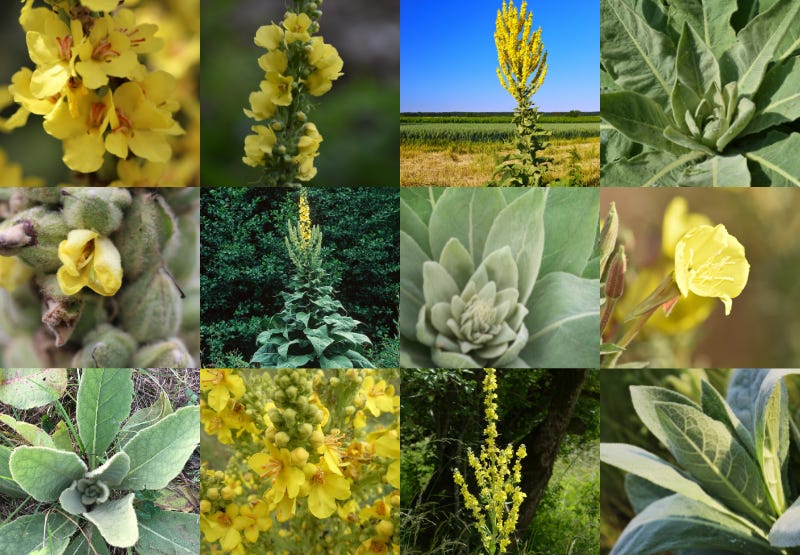
Mullein (Verbascum thapsus), also known as “Flannel Leaf” and “Cowboy’s Toilet Paper,” has been celebrated for thousands of years as both a medicinal herb and a symbol of practicality in nature. Native to Europe, Asia, and North Africa, the plant spread westward to the Americas, where it grew abundantly in the wild. Its distinctly soft, velvety leaves and towering yellow flower spikes made it easily recognizable and useful to herbalists across generations.
The name “Mullein” derives from the Latin word mollis, meaning soft, a direct reference to the plant’s downy leaves. Cultures worldwide believed the plant to embody protective properties. For example, in ancient European folklore, burning Mullein leaves during rituals allegedly warded off evil spirits, while the plant’s stems were dipped in fat to create torches used to illuminate dark spaces.
Traditional Uses
Mullein has been a trusted ally in herbal medicine for centuries, particularly for its versatile healing properties. Traditionally, the flowers, leaves, and roots of the plant were harvested to treat a range of ailments.
Respiratory Issues: Known for its impressive expectorant and soothing properties, Mullein was brewed into teas and infusions to ease coughs, colds, bronchitis, and other conditions affecting the respiratory system.
Skin Treatments: The leaves and flowers were often incorporated into poultices and salves to address skin irritations, rashes, minor wounds, and burns.
Digestive Health: Mullein was also utilized in folk medicine to alleviate stomach upset and inflammation, promoting better digestion.
Sedative Effects: Some traditional healers leveraged its calming properties for reducing stress or promoting a restful night’s sleep.
Ear Pain Remedy: One of its most popular traditional uses involves creating Mullein flower oil, which has been applied directly to the ear as a remedy for ear infections and earaches.
This long history of medicinal use has ensured that Mullein remains a relevant and cherished plant in modern herbal medicine.
Appearance and Growth
Botanical Description
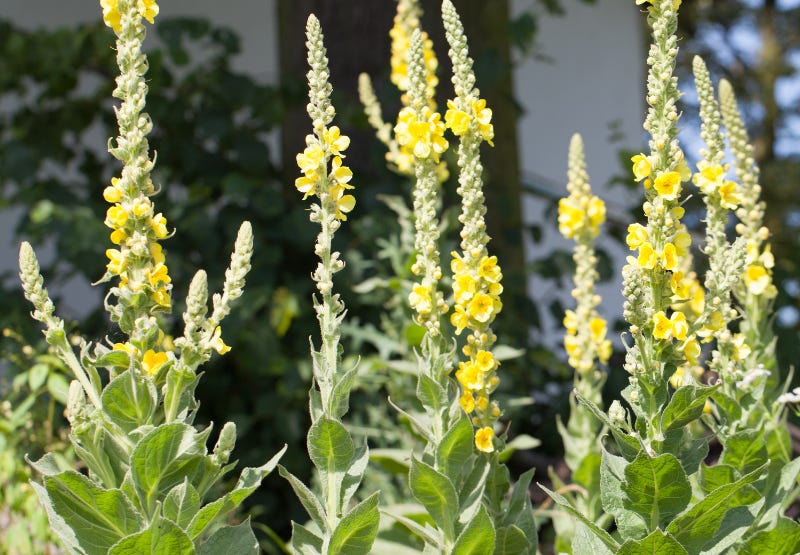
Mullein’s striking features and hardy nature make it an easy plant to recognize and cultivate in the wild. Below are details about the plant’s appearance:
Stems: Mullein grows upright stems that can reach heights of 6 to 8 feet, often densely covered with fine, fuzzy hairs.
Leaves: The large, velvety leaves grow in a basal rosette during Mullein’s first year of life, while the second year produces tall flower stalks.
Flowers: The bright yellow blossoms form in dense clusters along the length of the spire, creating a visually dramatic display.
Roots: Mullein’s robust taproot allows it to thrive in poor, rocky soils.
Natural Habitat
Mullein is most commonly found in sunny fields, pastures, roadsides, and disturbed areas. Below are details about its preferred environments:
Sunlight: Mullein thrives in full sunlight and can often be found in open, sunny locations.
Soil: The plant flourishes in dry, well-draining soils but is highly adaptable and can grow in poor, rocky, or sandy soils.
Distribution: While Mullein is native to Europe, North Africa, and Asia, it has naturalized extensively in North America. It is commonly found growing along roadsides, in meadows, pastures, and on untended farmland.
Adaptive Growth: Mullein’s ability to thrive in various environments has allowed it to spread widely, particularly throughout the United States and Canada, where it is embraced as a beneficial naturalized species.
Schedule Your Free Discovery Call Today 📞
Interested in learning more about how you can harness the benefits of Mullein? Book a FREE discovery video meeting today!
Clinical Applications of Mullein
Beneficial Chemical Constituents
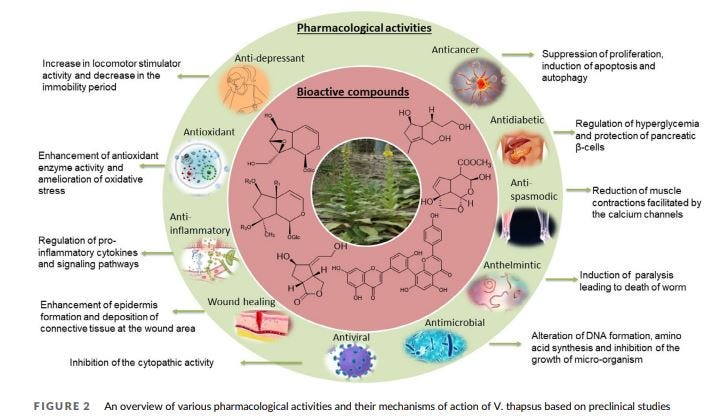
Mullein contains a variety of bioactive compounds that contribute to its therapeutic effects. These compounds have been the subject of increasing research in recent years, supporting claims long held by folk medicine practitioners. Notable chemical constituents include:
Saponins: Known for their anti-inflammatory, pain-relieving, and antitumor properties.
Flavonoids: Potent antioxidants with strong anti-inflammatory effects.
Phenylethanoid Glycosides: These compounds exhibit anti-inflammatory, antioxidant, and antiviral properties.
Iridoids: Bioactive compounds with significant anti-inflammatory properties.
These chemical constituents work together to give Mullein its broad spectrum of medicinal benefits. The rich combination of antioxidants and anti-inflammatory agents is particularly noteworthy and highlights its therapeutic versatility.
Medicinal Properties and Uses
Beyond the plant’s chemical makeup, Mullein demonstrates remarkable medicinal properties that are both antiviral and antibacterial in nature. These properties make it a valuable addition for addressing a range of health concerns. Below are its primary uses and benefits:
Anti-Inflammatory: Mullein’s anti-inflammatory compounds are well-suited for easing conditions including joint pain, sore muscles, and irritated skin.
Antioxidant: The flavonoids and phenylethanoids in Mullein protect the body by neutralizing free radicals, promoting overall health and longevity.
Antiviral and Antibacterial: These properties help combat respiratory infections, earaches, and other ailments caused by harmful pathogens.
Synergistic Nature: Mullein is considered a “shapeshifter” herb due to its ability to adapt and complement other herbs in a formula. When paired with complementary herbs, Mullein’s synergistic effects amplify its medicinal qualities, making it especially potent in multi-herb preparations.
Due to the herb’s versatile role, it is frequently featured in holistic remedies and formulations aimed at boosting immune health, promoting respiratory function, and soothing inflammation throughout the body.
Clinical Studies
Antimicrobial & Antibacterial
Infectious diseases are often caused by pathogenic microorganisms. Antimicrobials and antibacterials are among the first lines of defense against these infections. Recent studies such as the one entitled “The Antioxidant, Anticarcinogenic and Antimicrobial Properties of Verbascum thapsus L” written by Saman Mahdavi et al and published in the Medicinal Chemistry journal in 2020, have shown that Mullein leaf has antibacterial properties in both Gram-positive (have a thick peptidoglycan layer and no outer lipid membrane) and Gram-negative bacteria(have a thin peptidoglycan layer and have an outer lipid membrane). It has been found to act against Escherichia coli (E. coli), Streptococcus pyogenes, Klebsiella pneumoniae, Staphylococcus aureus, and Staphylococcus epidermidis. These studies suggest that the antibacterial compounds in Mullein can be used as unconventional antimicrobial agents when developing treatments for infectious conditions.

Vulnerary, Demulcent, and Expectorant
A vulnerary is defined as an herbal remedy used in the healing of wounds. This term is often used to describe external wounds, however, it is equally as important to support internal wound healing as a demulcent – specifically internal organs covered by the protective mucous membrane barrier (ie. stomach cavity, intestinal tract, lungs, throat, etc.). According to the scientific review published in the scientific journal Phytotherapy research by Arzu Turkey & Gurel Ekrem in 2005 entitled “Common mullein (Verbascum thapsus L.): recent advances in research,” the demulcent ( a herb rich in mucilage and can soothe and protect irritated or inflamed internal tissue) and expectorant (herbs that help the body to remove excess mucous from the lungs) properties found in Mullein stem from the polysaccharide mucilage and gums (resins) that help soothe irritated tissue. In other words, the saponins stimulate fluid production while the iridoid glycosides and flavonoids work to decrease the inflammation response. When inflammation is present in the respiratory system, it can cause breathing problems, pain, chest tightness, extra mucus, and even fatigue. To summarize the combined efforts of the saponins, with the soothing effect of its mucilage, make Mullein a most useful herb for the treatment of hoarseness, tight coughs, bronchitis, asthma, and even whooping cough.
Antiviral
Viruses are the cause of some of the more familiar infectious diseases such as the common cold, flu, and warts. However, they also are the source of severe illnesses such as HIV/AIDS, Ebola, and COVID-19. Some lab studies, such as the study entitled “Combined antiinfluenza virus activity of Flos verbasci infusion and amantadine derivatives” written by Julia Serkedjieva and published in the 2000 Phytotherapy Research journal, have shown that Mullein – when combined with the medication amantadine – increased the antiviral activity against influenza virus A. Similarily, Mullein extract was also shown to exhibit antiviral activity against herpesvirus type 1 in the lab study written by A.R. McCutcheon et al entitled, “Antiviral screening of British Columbian medicinal plants,” and published in the 1995 Journal of Ethnopharmacology. Despite these positive lab findings, gold-standard human, clinical research is still needed for use of this herb in more serious conditions.
Mullein, Inflammation, & COVID-19
As is the case with many other diseases, the development of systemic inflammation is the main feature of COVID-19. In many cases, proinflammatory cytokines are overproduced, resulting in ‘cytokine storms’ (when the cytokines begin to attack the cells and tissues of the body). This can potentially increase the risk of multi-organ failure and even death in some cases. According to the 2021 clinical review published in the Biology journal entitled, “Searching for Scientific Explanations for the Uses of Spanish Folk Medicine: A Review on the Case of Mullein (Verbascum, Scrophulariaceae),” and written by José Blanco-Salas et al, their hypothesis suggests that several Verbascum (otherwise known as Mullein) phytochemicals – specifically the flavonoids apigenin, luteolin, and quercetin – have been shown to be replication inhibitors of other coronaviruses and also have promising anti-inflammatory effects. In addition, another recent review published in the Pharmacological Research journal by Yu-Feng Huang et al entitled, “Review on the potential action mechanisms of Chinese medicines in treating Coronavirus Disease 2019 (COVID-19),” studied the potential use of Traditional Chinese Medicine (TCM) to treat Covid-19 by inhibiting inflammatory mediators. The formulas used shared similar phytochemicals presented in Mullein such as luteolin, kaempferol, and quercetin. Much more research is still required before a definitive understanding of how Mullein may support those with Covid-19, however, the potentiality remains positive.
Additional Health Benefits of Mullein
Earaches & Infections
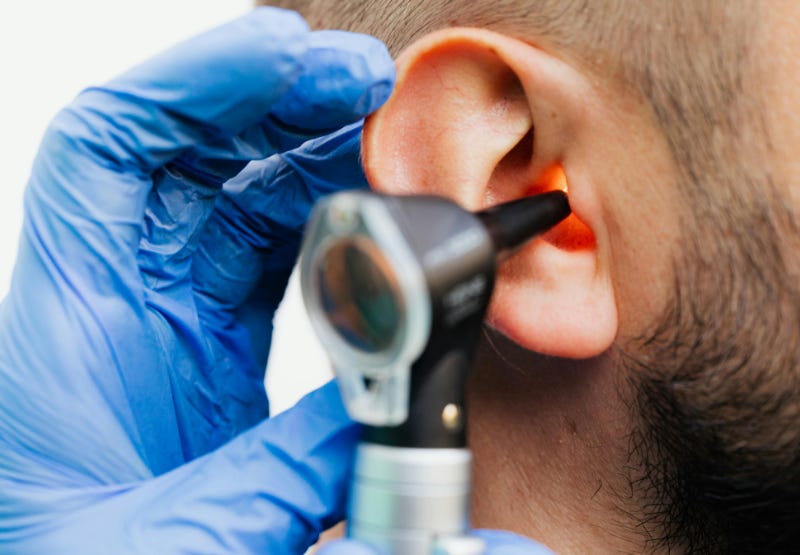
Due to the sensitive nature of the ear, they are often prone to viral and bacterial infections – trapping fluid behind the eardrum. According to the 2003 clinical trial published in the Pediatrics journal entitled, “Naturopathic treatment for ear pain in children,” and written by Michael Sarrell et al, ear drops prepared from the flowers of Mullein have healing potential for Otitis Media. All in all, Mullein’s well-established antibacterial, emollient, and astringent properties can make for an excellent choice in the treatment of temperamental ear ailments. *Please make sure to consult with a registered clinical herbalist or natural health practitioner trained in clinical herbalism to make sure Mullein ear drops would be right for you.*
External Wound Healing & Recovery
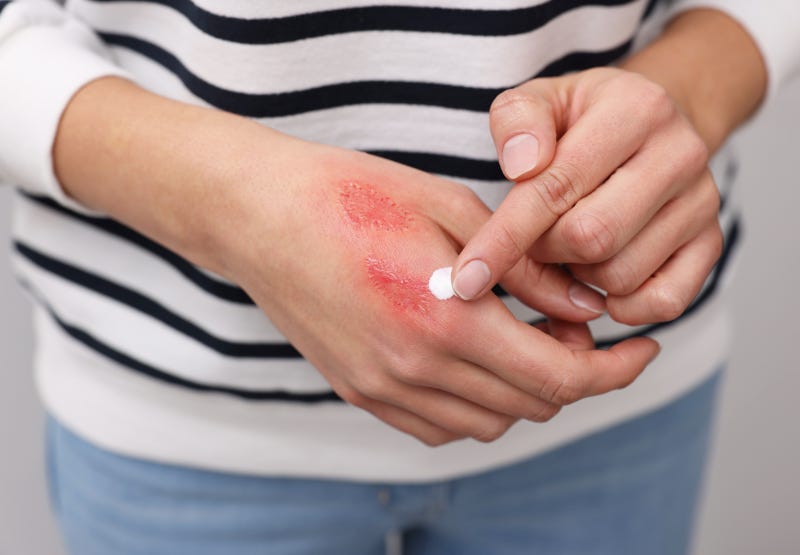
Mullein has commonly been used in folk medicine to treat external wounds, cysts, zits, eczemas, rashes, ulcers, and even burns. A recent 2021 study published in the BMC Complementary Medicine and Therapies journal entitled, “The effect of the Verbascum Thapsus on episiotomy wound healing in nulliparous women: a randomized controlled trial,” and written by Sahar Taleb and Maryam Saeedi, aimed to evaluate the effect of Mullein on episiotomy wound healing. The pain and discomfort caused by episiotomies significantly affect the lives of mothers every day, so finding a quick, effective, and complete repair of these wounds is key. Overall, the results of this study provided better healing of episiotomy wounds after 10 days of use – potentially due to the phenol and flavonoid compounds.
Final Recommendations
Here is Nancy’s Mullein recommendation:

Some Precautions with Mullein:
While Mullein is generally considered safe and well-tolerated, there are a few precautions to keep in mind when using this herb:
1. Allergic Reactions: Some individuals may experience skin irritation or allergic reactions from Mullein, especially if they are sensitive to plants in the Scrophulariaceae family. The fine hairs on Mullein leaves can cause skin or throat irritation in some individuals. It is recommended to strain Mullein teas or infusions to remove any residual plant material.
2. Pregnancy and Breastfeeding: There is limited research on the safety of Mullein for pregnant or breastfeeding individuals. While Mullein is traditionally considered safe, it is always best to consult a healthcare provider before use.
3. Drug Interactions: Mullein may act as a mild diuretic, potentially increasing urination. This could interfere with medications for high blood pressure, diuretics, or other conditions requiring careful hydration. It is advisable to speak with a healthcare professional if you are taking any medications to avoid potential interactions.
4. Avoiding Contaminated Sources: When harvesting Mullein in the wild, be cautious about where it is collected. Plants growing near polluted areas (e.g., roadsides or industrial zones) may absorb harmful chemicals from the environment. Always source Mullein products from reputable suppliers to ensure they are free from contaminants and have been properly processed.
5. Pre-Existing Conditions :Those with existing medical conditions, including chronic respiratory issues, should consult a healthcare provider before using Mullein as a long-term solution. It may complement treatment but should not replace conventional medical care.
Disclaimer: There is no “one size fits all” when it comes to recommending Mullein. Because of this, Nancy recommends Booking a 15 Minute Discovery call if you’re interested in taking this wonderful herb. It’s important to consult with a registered clinical herbalist or natural health practitioner trained in clinical herbalism for more resistant and deeper set health issues. They will be able to give a more tailored suggested serving and daily frequency based on your age, gender, body weight, and any present medical conditions.
Resources
Healthline | WebMD | Encyclopedia | The Naturopathic Herbalist | Science Direct | National Academies | Very Well Health | Medline Plus