
History of Stinging Nettle
Ancient Roots
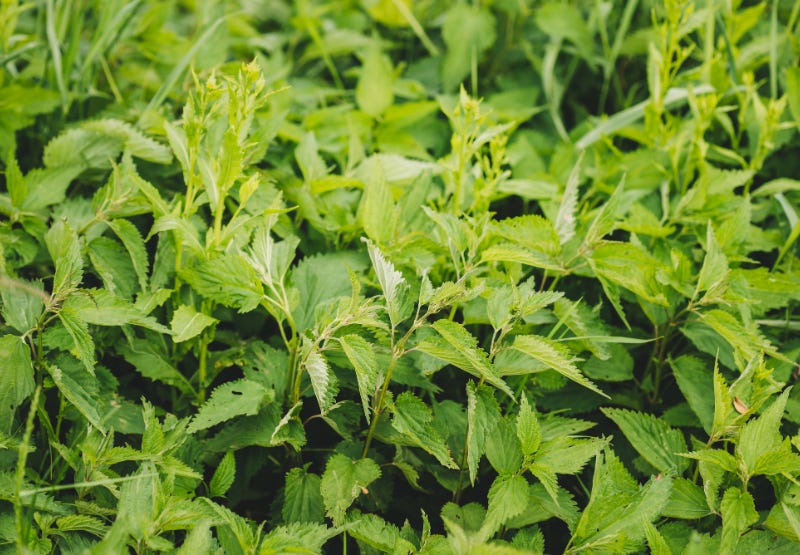
Stinging Nettle (Urtica dioica) has a rich history stretching back to the Bronze Age, long before its reputation as a stinging weed. Ancient civilizations across Europe, Egypt, and Asia valued the plant not only for its medicinal properties but also for its practicality.
In Ancient Rome, soldiers used Stinging Nettle to stimulate circulation by rubbing the plant directly onto their skin—a practice that reportedly helped them stay warm in colder climates. Egyptians relied on nettle infusions to relieve arthritis and back pain, while the Greek physician Hippocrates documented its use for over 60 ailments, including joint pain, fatigue, and respiratory conditions.
The plant’s name reflects its physical nature: “Urtica” comes from the Latin word uro, meaning “to burn,” which describes the burning sensation caused by its hairs. The Anglo-Saxon word “nettle,” meaning “needle,” alludes to its sharp sting. Despite its irritating qualities, early civilizations recognized its immense medicinal benefits.
Traditional Use
Over the centuries, Stinging Nettle has been used in various ways, spanning healing, food, and even textiles.
Medicinal Applications:
Ancient herbalists used nettle leaves and roots to treat arthritis, scurvy, anemia, and allergies. The plant’s ability to reduce inflammation made it an essential tool for managing joint pain and seasonal allergies. Nettles were also steeped into teas and used as a spring tonic to cleanse the blood and boost vitality during seasonal transitions.Textiles and Fibers:
The plant’s tall, fibrous stems were prized for their strength, and nettle fibers were commonly used to make fishing nets, ropes, and sackcloth. In Scotland during the 16th and 17th centuries, nettles were foundational for producing household textiles. This use carried into modern times: during World War I and II, nettle fibers served as an alternative to cotton for making uniforms and other materials in times of shortages.Culinary Uses:
Stinging Nettle is also recognized as a wild edible. Its young leaves, when cooked or dried, lose their sting and are packed with nutrients like iron, calcium, and vitamins A and C. It has been traditionally consumed as a vegetable, added to soups and teas, and incorporated into curries around the world.
Appearance and Growth
Botanical Description
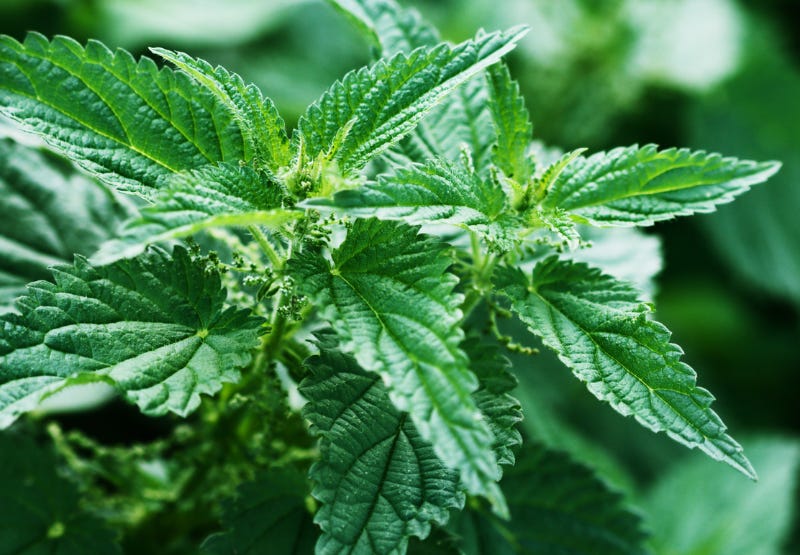
Stinging Nettle is a perennial herbaceous plant that belongs to the Urtica genus, which includes around 46 species. It can grow up to 4–8 feet tall, forming dense colonies in suitable locations.
The plant can be identified by its:
Leaves and Stems: Serrated, heart-shaped leaves and square stems covered with fine, hair-like structures (trichomes) that release irritant chemicals upon contact. The leaves and stems are hairy, giving the plant its distinctive stinging sensation.
Flowers: Tiny greenish flowers that grow in clusters along drooping spikes, often inconspicuous until the plant sets seeds.
Despite its reputation as a painful plant to handle, Stinging Nettle has been cultivated and wild-harvested for centuries for both medicinal and practical purposes.
Natural Habitat
Native to Europe and Eurasia, Stinging Nettle is now widespread in temperate regions worldwide, including North America, Asia, and parts of Africa. It thrives in moist, fertile soils and full sun to partial shade.
You’re most likely to find Stinging Nettle growing in:
Streams and Rivers: Nettles prefer moist environments, often growing on riverbanks and near freshwater bodies.
Woodland Edges: They naturally populate fields, woodlands, and meadows.
Disturbed Areas: Roadsides, old farmlands, and urban edges are common spots for this fast-spreading plant to grow.
Its ability to spread aggressively makes it a hardy species, and while beneficial, it’s considered invasive in some areas.
Schedule Your Free Discovery Call Today 📞
Curious about the benefits of Stinging Nettle or other medicinal plants? Learn how you can incorporate powerful herbs into your wellness routine by booking a FREE discovery video meeting today!
Clinical Applications of Stinging Nettle
Beneficial Chemical Constituents
Stinging Nettle (Urtica dioica) contains a wealth of bioactive compounds that contribute to its diverse range of health benefits:
Vitamins: Rich in vitamins A, C, and K, as well as several B vitamins, which support overall health and cellular function.
Minerals: High in calcium, iron, magnesium, phosphorus, potassium, and sodium, essential for bone health, energy production, and electrolyte balance.
Amino Acids: Provides all essential amino acids, which are crucial for protein synthesis and muscle repair.
Polyphenols: Includes kaempferol, quercetin, caffeic acid, coumarins, and other flavonoids, known for their antioxidant and anti-inflammatory effects.
Pigments: Contains beta-carotene, lutein, and other carotenoids, which protect against oxidative damage and promote eye health.
These compounds work together to offer numerous therapeutic benefits, making Stinging Nettle an incredibly valuable herb for natural wellness.
Medicinal Properties and Uses
Stinging Nettle is highly regarded in both traditional and modern herbal medicine for its extensive medicinal properties. The plant exhibits a broad range of therapeutic actions, including:
Anti-inflammatory: Reduces inflammation, particularly in conditions like arthritis, joint pain, and seasonal allergies.
Antioxidant: Neutralizes free radicals, helping to combat oxidative stress and protect cells.
Analgesic: Alleviates pain, including muscular discomfort and inflammatory pain.
Diuretic: Supports kidney and urinary health by promoting the natural excretion of excess fluids.
Hypotensive: May contribute to improving blood pressure levels, supporting cardiovascular health.
Antiproliferative: Shows potential for inhibiting abnormal cell growth in certain conditions.
Anti-infectious: Exhibits antimicrobial properties that help fight off infections in the body.
Antiulcer: Protects the gastric lining and may reduce the risk of ulcers.
Clinical Studies
Final Recommendations
Here are Nancy’s Stinging Nettle recommendations:


Some Precautions with Stinging Nettle:
While Stinging Nettle (Urtica dioica) is generally considered safe for most people when used appropriately, it is important to be aware of some precautions:
Skin Irritation: The fine hairs on fresh leaves and stems can cause a painful stinging sensation and rash upon contact. Always handle with gloves and use dried or cooked nettles to avoid irritation.
Pregnancy and Breastfeeding: Consult a healthcare provider before using Stinging Nettle if you are pregnant or breastfeeding, as its safety in these conditions is not well established.
Medication Interactions: Stinging Nettle may interact with certain medications such as blood thinners, diuretics, antihypertensives, and diabetes medications. If you are on medication, consult with a healthcare provider before use.
Kidney Issues: Due to its diuretic properties, individuals with kidney conditions should seek medical advice before using Stinging Nettle, as it may affect electrolyte balance and kidney function.
Allergies: Individuals with allergies to plants in the Urticaceae family should exercise caution, as they may experience allergic reactions to Stinging Nettle.
Disclaimer: There is no “one size fits all” when it comes to recommending Stinging Nettle. Because of this, Nancy recommends Booking a 15 Minute Discovery call if you’re interested in taking this wonderful herb. It’s important to consult with a registered clinical herbalist or natural health practitioner trained in clinical herbalism for more resistant and deeper set health issues. They will be able to give a more tailored suggested serving and daily frequency based on your age, gender, body weight, and any present medical conditions.
Resources
Mount Sinai | WebMD | Britannica | Healthline | UC IPM | Herbalgram | DEC NY | Gaia Herbs | NCBI